Fleet Health Checks
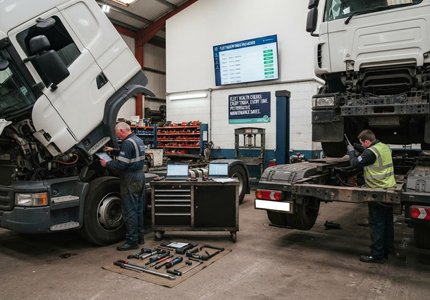
Unexpected breakdowns can disrupt delivery schedules, delay operations, and increase repair costs. For businesses operating multiple vehicles, preventative inspections provide a practical way to identify developing issues before they become major faults. Fleet Health Checks are designed to assess the condition of shutter systems across an entire fleet, helping operators maintain reliability while reducing the likelihood of unexpected downtime.
Shutters are among the most frequently used components on many working vehicles. Daily opening and closing cycles place constant pressure on cables, springs, rollers, tracks and locking mechanisms. Small signs of wear can often go unnoticed until a shutter becomes difficult to operate or fails. Routine inspections help identify these issues early, allowing corrective action to be planned before operations are affected.
Businesses managing delivery vans, Luton vans, distribution vehicles and transport fleets often use scheduled health checks as part of wider fleet management programmes. This approach helps improve vehicle availability while supporting safer day-to-day operations.
Why Fleet Health Checks Matter
Many shutter failures do not happen suddenly. Components often show signs of wear long before complete failure occurs. Regular inspections provide valuable insight into the condition of shutter systems and allow operators to plan maintenance around operational requirements rather than reacting to unexpected breakdowns.
For fleet managers responsible for multiple vehicles, preventative inspections can help reduce emergency repair costs, improve reliability, and extend the service life of existing equipment.
- Identify wear before major failures occur
- Reduce unexpected vehicle downtime
- Improve operational reliability
- Support planned maintenance schedules
- Extend component lifespan
- Help maintain fleet productivity
What Is Checked During An Inspection?
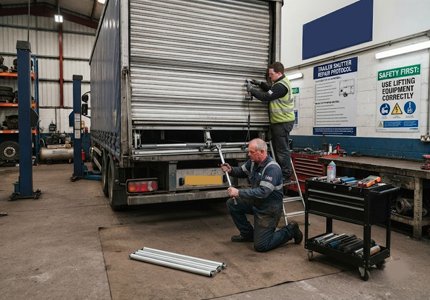
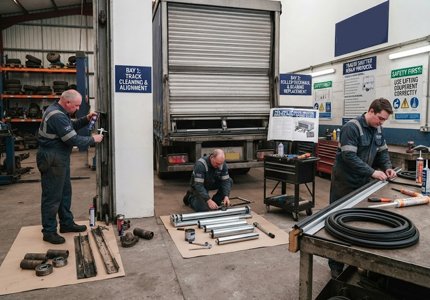
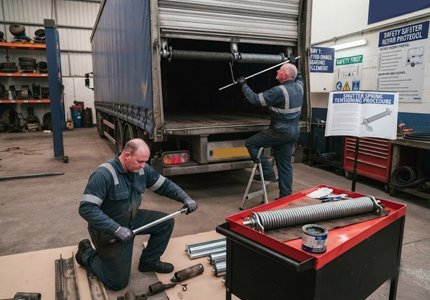
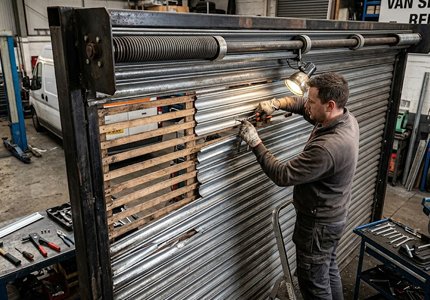
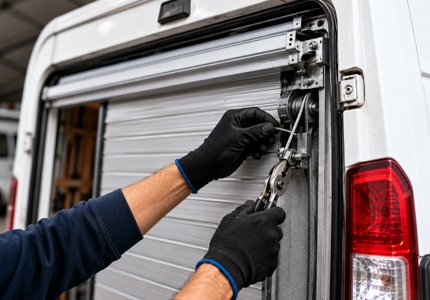
Each inspection focuses on components that experience regular operational stress. Areas assessed may include shutter movement, cable condition, spring balance, locking systems, rollers, tracks and weather seals.
Inspecting these components helps identify wear patterns, damaged parts and developing faults that could eventually affect vehicle operation.
- Shutter cables
- Rollers and guide tracks
- Spring systems
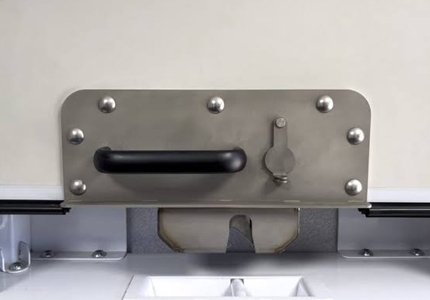
- Locks and security mechanisms
- Shutter slats and panels
- Weather seals and edge protection
- General operating performance
Supporting Businesses With Active Fleets
Fleet Health Checks are commonly used by courier operators, logistics providers, removals companies, facilities management businesses and organisations managing service vehicles. These inspections help provide greater visibility into equipment condition while supporting long-term maintenance planning.
From busy commercial routes around London to distribution networks serving Birmingham, Manchester, Leeds, Reading, Milton Keynes and surrounding transport corridors, preventative maintenance remains an important part of efficient fleet management.
Reducing Downtime Through Preventative Maintenance
A vehicle that cannot be loaded or unloaded efficiently can quickly affect schedules and productivity. By identifying faults before they become critical, fleet inspections help reduce disruption while supporting more predictable maintenance programmes.
Planned servicing often proves more cost-effective than dealing with emergency breakdowns, particularly for businesses operating multiple vehicles across different locations.
Suitable For Vans, Lorries & Commercial Fleets
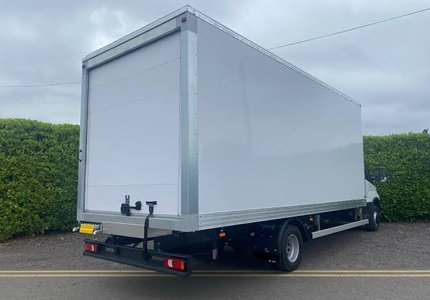
Fleet Health Checks can be carried out on a wide range of vehicle types including delivery vans, Luton vans, commercial vehicles, HGVs and specialist fleet equipment. Inspection programmes can be tailored to suit different fleet sizes and operational requirements.
Whether managing a small number of vehicles or a large transport fleet, regular assessments help maintain consistent standards across the entire operation.
Frequently Asked Questions
What is a Fleet Health Check?
A Fleet Health Check is a preventative inspection programme designed to assess the condition of shutter systems and identify potential maintenance issues before failures occur.
How often should fleet inspections be carried out?
Inspection frequency depends on vehicle usage, operating conditions and fleet size. Vehicles used daily generally benefit from regular scheduled assessments.
What components are inspected?
Typical inspections include cables, springs, rollers, guide tracks, locking systems, shutter panels and general operational performance.
Can Fleet Health Checks reduce repair costs?
Yes. Identifying wear early often allows smaller issues to be addressed before they develop into more expensive repairs.
Are Fleet Health Checks suitable for mixed fleets?
Yes. Inspection programmes can be adapted for fleets containing different vehicle types and shutter configurations.
Fleet Health Checks Designed For Long-Term Reliability
Maintaining reliable access systems is an important part of keeping vehicles productive. Fleet Health Checks provide a structured approach to identifying wear, improving maintenance planning, and supporting businesses that depend on efficient fleet operations throughout the year.