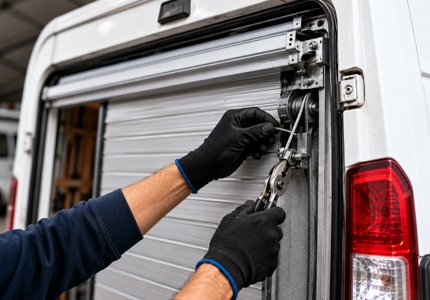
Spring Replacement
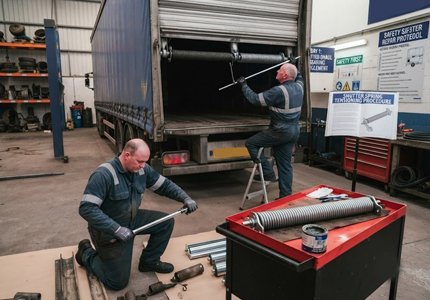
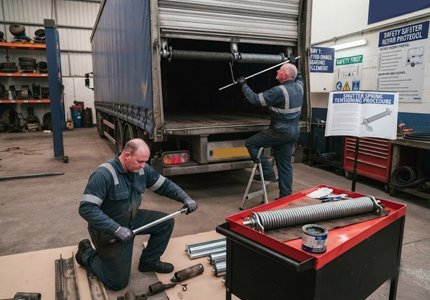
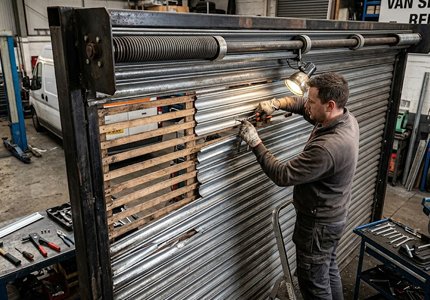
Shutter springs play a critical role in balancing the weight of the shutter and allowing smooth, controlled movement during operation. Every opening and closing cycle places pressure on the spring system, making it one of the hardest-working components within a shutter assembly. As springs age, they gradually lose tension and performance, eventually affecting the safe and reliable operation of the shutter.
A worn or damaged spring can make a shutter difficult to lift, cause uneven movement, or place additional stress on surrounding components. In some cases, a failed spring may prevent the shutter from operating altogether. Replacing worn springs at the right time helps restore balance, improve usability, and protect other parts of the system from unnecessary wear.
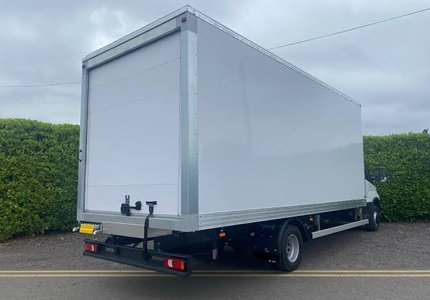
For businesses operating delivery vans, Luton vans, HGVs, and commercial transport fleets, dependable shutter performance remains essential for maintaining efficient loading and unloading procedures. Planned spring replacement helps support reliability while reducing the likelihood of unexpected breakdowns during busy working schedules.
Why Springs Are Essential To Shutter Performance
The spring mechanism counterbalances the weight of the shutter, allowing it to be opened and closed with minimal effort. Without correct spring tension, even a well-maintained shutter can become difficult to operate and place excessive strain on cables, rollers, and guide tracks.
As springs weaken over time, operators may notice increased resistance, unusual movement, or a shutter that no longer remains properly balanced. Addressing these issues early helps maintain safe operation and prevents additional maintenance requirements.
- Supports smooth shutter movement
- Reduces strain on operating components
- Improves user safety
- Helps maintain correct shutter balance
- Reduces wear on cables and rollers
- Supports long-term reliability
Signs A Spring May Require Replacement
Spring wear often develops gradually, making it easy to overlook during daily operations. Identifying warning signs early can help prevent unexpected failures and reduce downtime.
- Heavy or difficult shutter movement
- Uneven opening and closing
- Visible spring damage or corrosion
- Shutter dropping unexpectedly
- Unusual operating noises
- Reduced lifting assistance
Where these symptoms are present, a detailed inspection can help determine whether spring replacement is required.
Supporting High-Use Commercial Vehicles
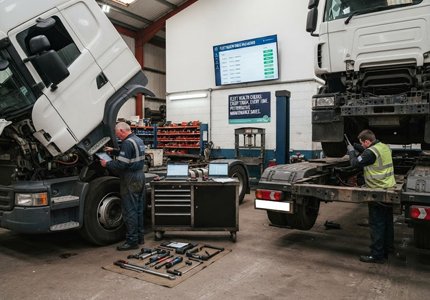
Vehicles involved in logistics, removals, distribution, and service operations often place significant demands on shutter systems. Frequent loading activity can accelerate spring wear, particularly where shutters are operated multiple times throughout the day.
Businesses managing active fleets frequently incorporate spring inspections into broader maintenance programmes to help identify wear before it develops into operational issues.
Reducing Strain On Other Components
A failing spring rarely affects only one part of the shutter. Incorrect tension can increase pressure on cables, rollers, tracks, and locking systems, leading to additional wear throughout the assembly.
Replacing worn springs helps restore correct balance and allows other components to function as intended, supporting smoother operation and reducing unnecessary maintenance costs.
Used Across Commercial Transport Sectors
Spring replacement services are commonly required for vehicles supporting parcel distribution, retail logistics, removals operations, facilities management, and freight transport. Demand remains consistent throughout major transport corridors connecting London, Slough, Reading, Watford, Northampton, Milton Keynes, Birmingham, Manchester, and other key commercial centres.
As businesses continue to rely on efficient vehicle access systems, maintaining critical components such as springs remains an important part of long-term fleet management.
Part Of Planned Maintenance Programmes
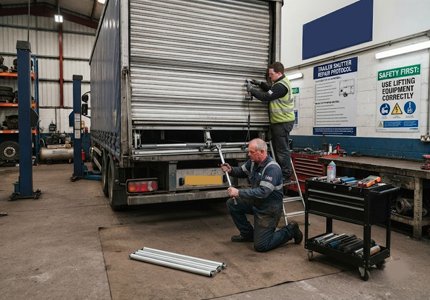
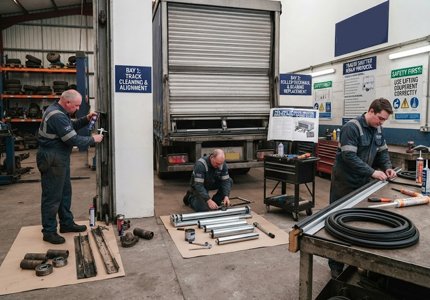
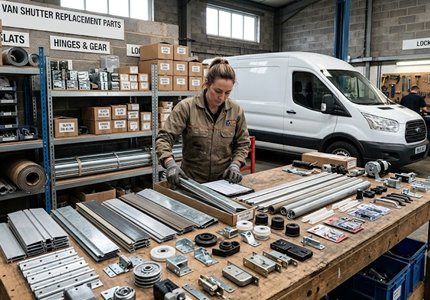
Spring replacement is often carried out alongside other preventative maintenance activities, including cable inspections, roller servicing, track adjustments, and lock maintenance. Combining these services helps improve overall shutter performance while providing a clearer picture of system condition.
Regular inspections also allow fleet operators to plan maintenance schedules more effectively and minimise disruption to daily operations.
Frequently Asked Questions
What does a shutter spring do?
A shutter spring counterbalances the weight of the shutter, allowing smooth and controlled operation during opening and closing.
How long do shutter springs last?
Lifespan varies depending on usage levels, operating conditions, and maintenance practices. High-use shutters may require more frequent inspection.
What happens when a spring fails?
A failed spring can make the shutter difficult to operate, affect balance, and place additional strain on other components.
Can worn springs damage other parts of the shutter?
Yes. Incorrect spring tension can increase wear on cables, rollers, tracks, and locking mechanisms.
Should springs be replaced before they break?
Preventive replacement is often recommended where significant wear is identified, helping avoid unexpected operational issues.
Spring Replacement For Safer & More Reliable Operation
A properly balanced shutter contributes to smoother operation, improved safety, and reduced wear across the entire system. Spring Replacement helps restore performance, support reliability, and keep commercial vehicles operating efficiently throughout demanding working environments.